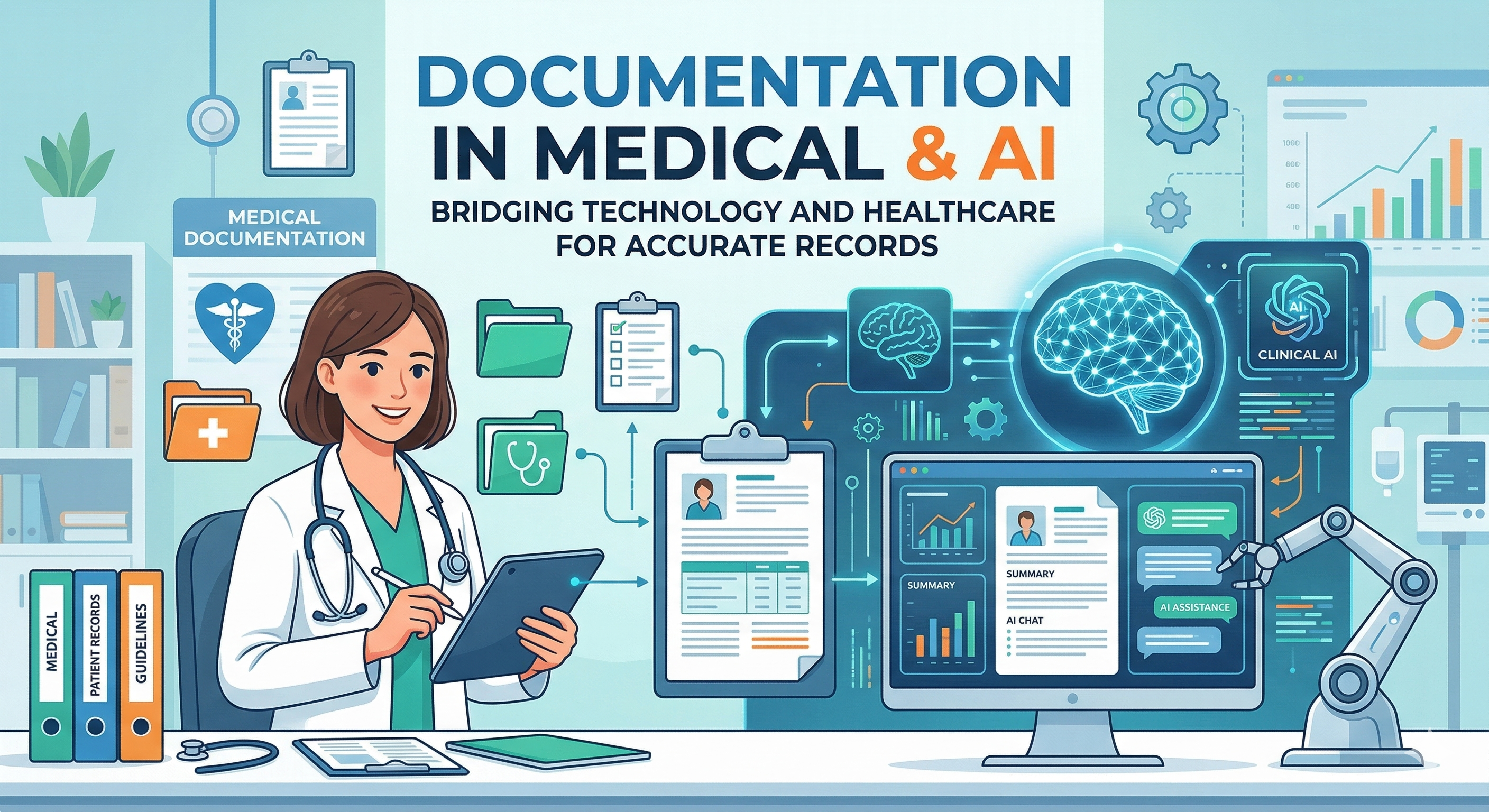
Clinical Documentation Improvement has long been a critical function for hospitals, ensuring that patient records accurately reflect the complexity of care delivered. But traditional CDI programs face mounting challenges.
The Current State of CDI
CDI specialists are overwhelmed. The average CDI professional reviews dozens of charts per day, looking for documentation gaps that could impact coding accuracy and reimbursement. Meanwhile, physicians are burned out from documentation demands, and the complexity of cases continues to increase.
The result? Missed opportunities for accurate documentation, under-coded DRGs, and revenue left on the table.
Enter Artificial Intelligence
AI is changing the equation. Modern natural language processing can analyze clinical documentation in seconds, identifying patterns and gaps that would take human reviewers much longer to find.
But the key is augmentation, not replacement. The best AI-powered CDI solutions work alongside human experts, surfacing opportunities and evidence while leaving clinical judgment where it belongs—with the clinicians.
What AI-Powered CDI Looks Like
Effective AI in CDI should:
- Analyze charts in real-time, as documentation is being created
- Surface specific evidence from the medical record to support coding suggestions
- Prioritize high-impact opportunities for CDI specialist review
- Learn from feedback to continuously improve accuracy
The Future is Collaborative
The most successful implementations of AI in CDI recognize that technology serves the clinical team, not the other way around. When designed thoughtfully, AI can reduce burnout, improve accuracy, and help hospitals capture the revenue they've earned through excellent patient care.